
Clinical Practice
Respiratory Syncytial Virus: What You Need to Know
As a nurse, your line of work will make you come across patients suffering from various diseases and illnesses. You are at the forefront of the healthcare industry, responsible for providing care to patients through timely interventions that can significantly improve their health. Knowing and
$29.99 a year, renews yearly — cancel any time before renewal. Instant certificates.
- ✓ Board-approved provider
- ✓ Certificate the moment you finish
- ✓ Every course included
Updated 2022-11-20 · Fast CE For Less
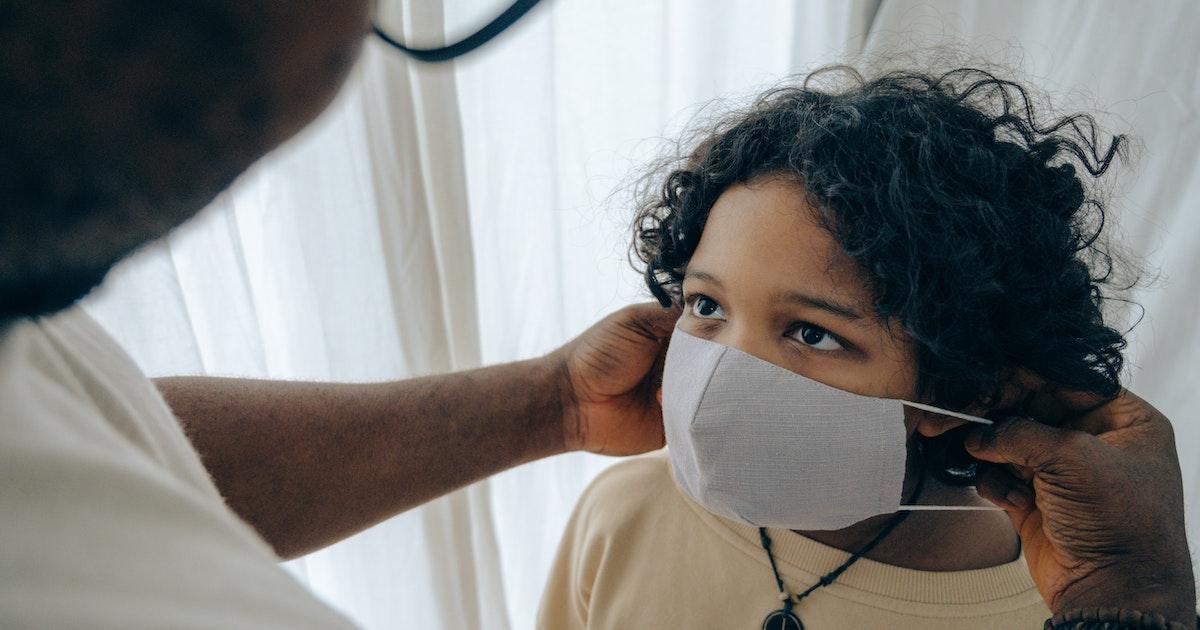
Trusted nationwide
Accreditation you can verify
Nevada State Board of Nursing
Provider #NV000839

New York State Education Department
Approved provider
Florida Board of Nursing
Board approved
California Board of Registered Nursing
Provider #17693

CE Broker
Provider #50-30438
Ohio League for Nursing
OLN-I-3128-2025 (1 hr) · OLN-I-3189-2025 (2 hr)

Commonwealth of Pennsylvania
Provider CACE000096
As a nurse, your line of work will make you come across patients suffering from various diseases and illnesses. You are at the forefront of the healthcare industry, responsible for providing care to patients through timely interventions that can significantly improve their health. Knowing and understanding the different conditions is critical to helping you do your part in positively impacting your community.
Respiratory Syncytial Virus (RSV) is a common disease-causing germ you must learn about to be better prepared to help your patients. While it’s a virus that typically causes mild symptoms that resemble the common cold in most cases, it can be a particularly dangerous disease for infants and older adults who don’t get the proper care. Knowing exactly what you’re dealing with can help you work towards more positive outcomes for patients suffering from infections caused by this virus.
Today’s post will be a quick guide to understanding everything you need to know about the Respiratory Syncytial Virus.
What Exactly is the Respiratory Syncytial Virus?
RSV is a common virus that infects the lungs and respiratory tract. It can affect everybody, regardless of age, but young children and infants are typically the most prone to RSV infections. With symptoms in most cases similar to what may be experienced with a common cold, many healthy children and adults with RSV may not have any symptoms at all. However, it can result in more severe cases for at-risk parts of the population.
What are the Common Symptoms of the Respiratory Syncytial Virus?
The Respiratory Syncytial Virus can cause a wide range of symptoms, depending on the age of the infected individual. The severity of the infection itself can also cause symptoms to vary from one patient to another. People with an RSV infection typically start experiencing symptoms after four to six days.
Infants less than 12 months of age tend to experience more serious symptoms, while older children and adults experience mild symptoms. Common symptoms of infections caused by RSV may include:
- Chest congestion
- Coughing
- Fevers
- Sneezing
- Runny nose
Severe symptoms may include:
- Bluish coloration in the skin
- Difficulty in breathing
- Short, quick, and shallow breaths
- Wheezing
Ready to earn your contact hours?
Every course is included in All-Access for $29.99 a year.
What Causes RSV & Who is at Greater Risk From it?
The Respiratory Syncytial Virus is among the most common microbes that cause lung and respiratory tract infections in small children and infants. In fact, the Centers for Disease Control and Prevention (CDC) has found that almost 60,000 children under five years old are hospitalized because of infections caused by the virus each year.
Regarded as a seasonal virus, most RSV infections happen between September and May. Granted, most RSV infections run their course over two weeks without causing severe symptoms. Some parts of the population are at a greater risk of getting severe infections requiring proper medical intervention to prevent life-threatening complications.
Some of the risk factors for people developing severe RSV infections include:
- People with weaker immune function
- Premature babies
- Young children with existing lung or heart diseases
- Older adults
The Respiratory Syncytial Virus is transmitted through respiratory droplets to people who come into close contact with an infected individual. Contracting the virus by touching surfaces contaminated by infected people is also possible.
Complications Caused by RSV Infections & Treatment Recommendation
Children suffering from severe RSV infections are at risk of developing ear infections. They can also develop croup, which inflames their vocal cords, leading to louder and more uncomfortable coughing characterized by a bark-like sound. Severe RSV infections can spread to the lower respiratory tract and cause patients to potentially develop bronchiolitis or pneumonia. As the symptoms worsen, severe RSV infections can lead to fever, severe coughing, wheezing, difficulty with breathing, and cyanosis; a condition that causes the skin to turn a slightly bluish hue due to a lack of enough oxygen in the blood.
Infants are most prone to developing complications due to the virus. Infants suffering from serious RSV infections can experience several symptoms, including:
- Coughing
- Inability to feed properly
- Lethargy
- Extreme irritability
- Difficulty in breathing
- Short, small, and quick breathing
Most children and adults recover from RSV infections in one or two weeks. RSV infections are not curable, but a patient can recover from it by properly managing the symptoms and letting it run its course. Severe cases that do not improve might require a hospital stay and life-saving interventions, including using ventilators.
When People With an RSV Infection Should See a Doctor
If you or someone you know is suffering from RSV and has risk factors for severe infections, it’s essential to keep a close eye on their symptoms. If the infected individual develops wheezing, severe coughs, difficulty breathing, or you start seeing a bluish color in their skin, it’s critical you waste no time in taking them to a qualified medical professional for proper care.
Final Thoughts
Respiratory syncytial virus infection symptoms can be managed through medication use, when necessary. As the main point of contact for your patients and their families, you are also responsible for properly educating your patients about precautions they can take to prevent the disease. While most RSV infections run their course without medical intervention, severe infections can be dangerous and possibly fatal.
Make it a point to educate your patients about the disease and recommend seeking treatment if the severity of their symptoms increase. You can ensure a positive patient outcome by offering them the guidance they need at the right time.
Speaking of educating your patients, are you planning to renew your certifications soon? Finding high-quality yet affordable nursing continuing education courses can be challenging with your hectic schedule. Fortunately, online nursing CEUs like those available at Fast CE For Less at https://fastceforless.com/ce-courses-for-nursing/ offers you access to affordable and top-notch nursing continuing education courses across various specializations.
Finish your CE today — every course for $29.99 a year
Board-approved courses, audio for every lesson and instant certificates. Renews yearly at $29.99; cancel any time before renewal.