
Clinical Practice
Dangers of False Eyelashes
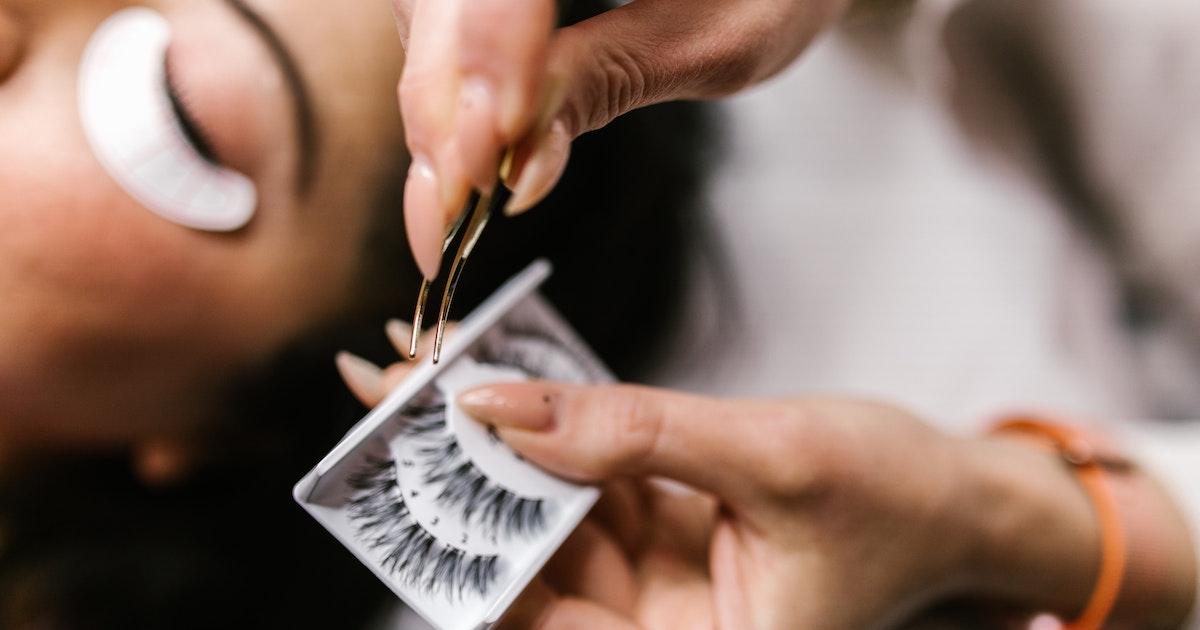
Getting false eyelashes is a popular way to accentuate your beauty and feel more confident about yourself. While everyone wants to look their best, some choices we make to feel more beautiful often come with consequences when we are not careful. As striking as they look, false eyelashes can be a
$29.99 a year, renews yearly — cancel any time before renewal. Instant certificates.
- ✓ Board-approved provider
- ✓ Certificate the moment you finish
- ✓ Every course included
Updated 2023-10-30 · Fast CE For Less
Trusted nationwide
Accreditation you can verify

Nevada State Board of Nursing
Provider #NV000839

New York State Education Department
Approved provider
Florida Board of Nursing
Board approved
California Board of Registered Nursing
Provider #17693

CE Broker
Provider #50-30438

Ohio League for Nursing
OLN-I-3128-2025 (1 hr) · OLN-I-3189-2025 (2 hr)

Commonwealth of Pennsylvania
Provider CACE000096
Getting false eyelashes is a popular way to accentuate your beauty and feel more confident about yourself. While everyone wants to look their best, some choices we make to feel more beautiful often come with consequences when we are not careful.
As striking as they look, false eyelashes can be a dangerous investment. If you are not careful, they can lead to unpleasant surprises, including allergic reactions to the material, a full-blown eyelid infection, or a permanent loss of eyelashes.
The dangers of false eyelashes, while scary, are easily avoidable with the right care. As a nurse, you will most likely come across patients suffering from complications due to the side effects of using false eyelashes. You must understand the risks involved, why they happen, and how patients can overcome them. Fast CE For Less has created this guide to increase your knowledge about the dangers of false eyelashes.
What are False Eyelashes?
False eyelashes are synthetic eyelashes made with artificial materials. They make a person look like they have long and lush eyelashes without the need to use mascara on their natural eyelashes. Attached by gluing and placing them on or above natural lashes, they can look natural.
The Danger of False Eyelashes
However, there is always a risk of eye infections when using any object on or close to your eyes. Bacterial buildup on the lashes or under the glue used to attach them can lead to severe infections. If it enters your eyes, the glue can also lead to irritation. Some people are also allergic to the glue. Even if they apply the glue properly, it can still lead to a severe reaction.
The Danger of False Eyelashes and Blepharitis
Blepharitis is a common issue associated with false eyelash use. This is a condition that causes inflammation in the eyelids, typically affecting both eyes along the eyelid edges. It can often be a chronic condition that becomes challenging to treat. Some of the signs of blepharitis include:
- Itchy eyelids
- Watery or red eyes
- Eyelid sticking
- Light sensitivity
- Swollen and reddened eyelids
Complications Caused by Blepharitis
Blepharitis can be caused by several reasons. When using false eyelashes, clogged or malfunctioning glands in the eyelids or an infection can cause the condition. If left untreated, blepharitis can lead to several complications, including:
- Excessive tears or dryer eyes: Tear film can develop a buildup of oily secretions and dandruff from the eyelid skin, causing excess tearing or dry eyes.
- Eyelash issues: Eyelashes can fall out temporarily or permanently, experience abnormal growth, or lose their color.
- Eyelid skin issues: Long-term blepharitis can lead to scarring in the eyelid skin.
- Stye: An infection at the base of the lashes resulting in inflammation at the edge of the eyelid.
- Chronic conjunctivitis: Blepharitis can cause frequent pink infections.
- Corneal injury or infection: Prolonged irritation and eyelashes growing in the wrong direction can lead to injuries or infection in the cornea.
Treating Blepharitis
Washing your eyes and using warm compresses are almost always effective in dealing with blepharitis. However, seeing a healthcare professional is recommended. Depending on the severity of the condition, a healthcare professional may prescribe medicine to fight infections and control inflammation.
Ready to earn your contact hours?
Every course is included in All-Access for $29.99 a year.
Precautions While Using False Eyelashes to Mitigate Risks
While the best thing to do is avoid using false eyelashes, careful use can help you lower the risk of exposure to the dangers of complications. Here are a few recommendations to help:
- Before applying the eyelashes, test a small amount of the glue on your skin to see if you’re allergic to it. Testing before applying can save you a ton of problems if you are allergic to the glue.
- When applying false eyelashes, try to use as little glue as possible. If you clog the oil ducts, it can lead to blepharitis or worse.
- Never keep the eyelashes on longer than recommended. Remove them after the indicated time.
- Have a professional with the right certifications safely apply the eyelashes.
As a nurse, understanding the dangers of false eyelashes and how to mitigate them is critical. It can help you educate your patients on the best practices.
Speaking of educating your patients, is your license renewal period nearing its end? If you’re due for license renewal and have yet to fulfill your competency requirements, Fast CE For Less can help. The online nursing CEUs like those offered by Fast CE For Less at www.fastceforless.com offer convenient access to nursing continuing education course bundles to help you with license renewals.
Finish your CE today — every course for $29.99 a year
Board-approved courses, audio for every lesson and instant certificates. Renews yearly at $29.99; cancel any time before renewal.