
Infection Control
COVID-19 Pandemic – History Repeats Itself
Pandemics Occurred Regularly Throughout History “The emergence and spread of infectious diseases with pandemic potential occurred regularly throughout history. Major pandemics and epidemics such as plagues, cholera, flu, severe acute respiratory syndrome coronavirus (SARS-CoV), and the Middle East
$29.99 a year, renews yearly — cancel any time before renewal. Instant certificates.
- ✓ Board-approved provider
- ✓ Certificate the moment you finish
- ✓ Every course included
Updated 2022-08-11 · Fast CE For Less
Trusted nationwide
Accreditation you can verify
Nevada State Board of Nursing
Provider #NV000839

New York State Education Department
Approved provider
Florida Board of Nursing
Board approved
California Board of Registered Nursing
Provider #17693
CE Broker
Provider #50-30438
Ohio League for Nursing
OLN-I-3128-2025 (1 hr) · OLN-I-3189-2025 (2 hr)

Commonwealth of Pennsylvania
Provider CACE000096
Pandemics Occurred Regularly Throughout History
“The emergence and spread of infectious diseases with pandemic potential occurred regularly throughout history. Major pandemics and epidemics such as plagues, cholera, flu, severe acute respiratory syndrome coronavirus (SARS-CoV), and the Middle East respiratory coronavirus (MERS-CoV) have already afflicted humanity. The world is facing a new coronavirus disease 2019 (COVID-19) pandemic.” Pandemics Throughout History, Jan. 15, 2021.
As a member of a nation and the world society, we collectively are faced with a virus that is causing worldwide deaths and health-related side effects for survivors, including shortness of breath, fatigue, difficulty concentrating, chronic cough, chest or stomach pain, headaches, sleep disturbances, changes in smell and taste, and more.
Understanding COVID-19 as a Healthcare Provider
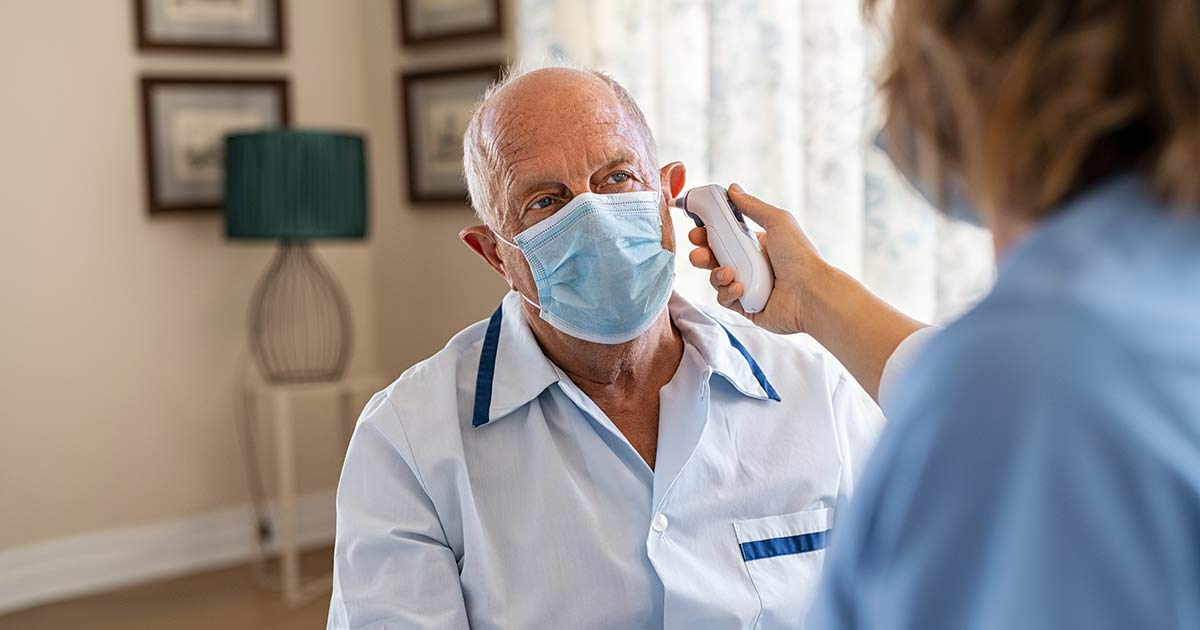
As a healthcare provider, it is important to have the most current knowledge on how to best address the nursing needs of patients and others seeking treatment for COVID-19. Understanding that COVID-19 causes respiratory complications, it is imperative to prevent the spread of the COVID-19 infection from one person to another. It is important to protect the orifices in which the coronavirus is released and the orifices in which the coronavirus is received. The nose and mouth are the spreaders and receivers of the COVID-19 virus.
Precautions to Protect From COVID-19 for Safety and Health
The rapid spread of the COVID-19 virus can be prevented. As children are taught to cover their mouths and noses when sneezing or coughing to prevent the spread of germs, the same precautions should be taken to prevent the spread of the contagious COVID-19 virus. Healthcare providers have always worn a mask to cover their nose and mouth when caring for patients with respiratory infections, patients in surgery, burn units, and other areas where the patient and the nurse must be protected for their safety and health.
“Masks were introduced into clinical practice at the beginning of the 20 th century to protect patients from microorganisms being expelled from healthcare workers’ respiratory tracts during clinical procedures” (Nursing Times, 2009). Every healthcare provider has learned the importance of infection control and prevention. It is the duty of every healthcare provider to educate and encourage members of society to wear a mask for the prevention of spreading the COVID-19 virus.
Ready to earn your contact hours?
Every course is included in All-Access for $29.99 a year.
New Viruses Will Continue to Spread
The history of pandemics’ deadly diseases will continue to be repeated because new viruses are introduced into our society. How we collectively respond to a new virus to prevent its spread will always depend on how members of society work together. If we collectively take precautions to prevent the spread of a virus, the virus will have fewer hosts to thrive in. In the present time, the COVID-19 virus has been included in the list of major pandemics and epidemics and will continue to and spread until measures are taken by members of society to collectively combat the risk for infection.
Finish your CE today — every course for $29.99 a year
Board-approved courses, audio for every lesson and instant certificates. Renews yearly at $29.99; cancel any time before renewal.