
Mandated topic
Infection control CE for nurses
Infection control and barrier precautions coursework runs on its own cycle in several states — New York's four-year requirement is the best known example.
- Instant certificate
- Finish on your phone
- Accepted online CE
What you get
- Courses on this topic
- 10 courses
- Contact hours available
- 32 hours
- Certificate
- Names the topic, as boards require
- States with this rule
- 1 states
Infection control CE courses
 4 contact hours
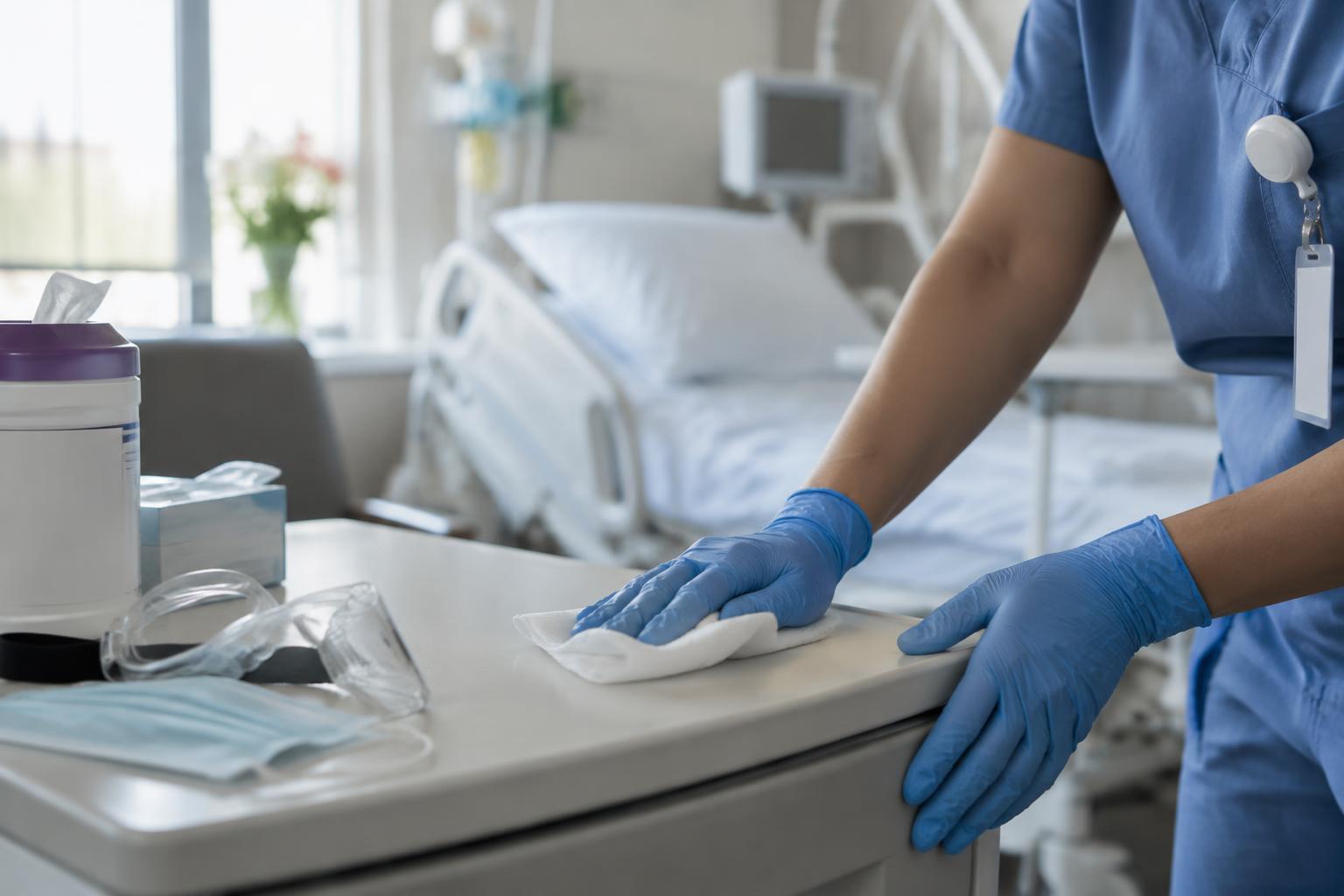
The role of infection control is to reduce and prevent the risk for hospital-acquired infections. To practice effective infection control practices, the healthcare professional must be knowledgeable of methods to prevent infection transmission. This training provides an overview on infection control and barrier precautions and covers the most current and scientifically accepted practices in infection control as recommended by the Center for Disease Control (CDC).
 3 contact hours
A practical, evidence-based course on HIV transmission, testing, treatment as prevention, PrEP, PEP, and management of occupational exposure.
 4 contact hours
The role of infection control is to reduce and prevent the risk for hospital-acquired infections. To practice effective infection control practices, the healthcare professional must be knowledgeable of methods to prevent infection transmission. This training encompasses the seven core elements on infection control and barrier precautions and covers the most current and scientifically accepted practices in infection control as recommended by the Center for Disease Control (CDC).
 2 contact hours
A current, clinically focused review of COVID-19 vaccine platforms, recommendations, safety, administration, and counseling for nurses nationwide.
 3 contact hours
This course provides and overview of therapeutic communication, its components, barriers, and its effects in caring for person with mental health.
 3 contact hours
Eight lessons connect patient-specific symptoms, congestion, perfusion concerns, laboratory trends, and practical self-management barriers with nursing communication and reassessment. The clinical framework emphasizes trajectory rather than isolated findings, with infection prevention integrated into bedside care.
 4 contact hours
Builds nurses’ skills to recognize intersecting clinical and social vulnerability, reduce access barriers, and advocate for safe, equitable, person-centered care.
 2 contact hours
Builds nursing skills to recognize discrimination affecting LGBTQ+ people, provide affirming care, respond to safety concerns, and reduce barriers across healthcare settings.
 4 contact hours
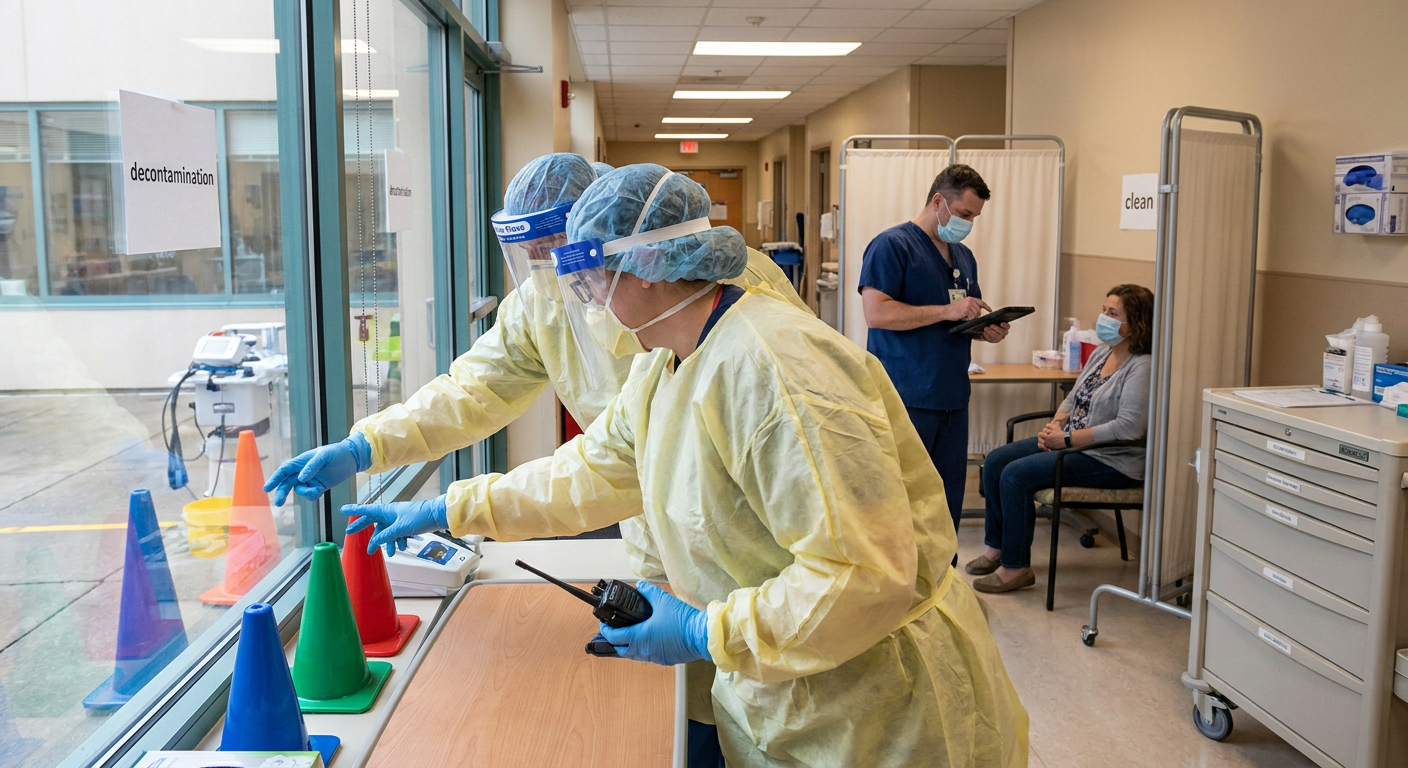
Prepares nurses to recognize, protect against, report, and support the emergency management of chemical, biological, radiological, nuclear, and explosive incidents.
 3 contact hours
A substantial, source-bounded course draft for practicing nurses that connects organizational prevention systems with bedside infection control. Eight lessons address core practices, hand hygiene, Standard Precautions and PPE, Transmission-Based Precautions, urinary catheter care, vascular access, injection safety, and environmental practices with hospital antibiotic stewardship. Clinical content is grounded exclusively in the supplied CDC excerpts. Areas not addressed by those excerpts are identified for facility-policy guidance and clinical review.
Infection control CE plus every other hour you need
One year of unlimited courses, so a single mandated topic never costs you a separate purchase.
One-time payment · unlimited contact hours for 12 months · certificates the moment you finish.
Infection control CE requirements by state
See exactly how your board words the requirement.
Other mandated topics
Still have a question?
Ask about requirements, a course, pricing or your license. Answers come from our own course list and state notes.
Answers come from Fast CE For Less's own course list and our notes on state requirements. Always check your board's own rules before you count hours.