
Infection Control
Childhood Vaccines: Current Recommendations
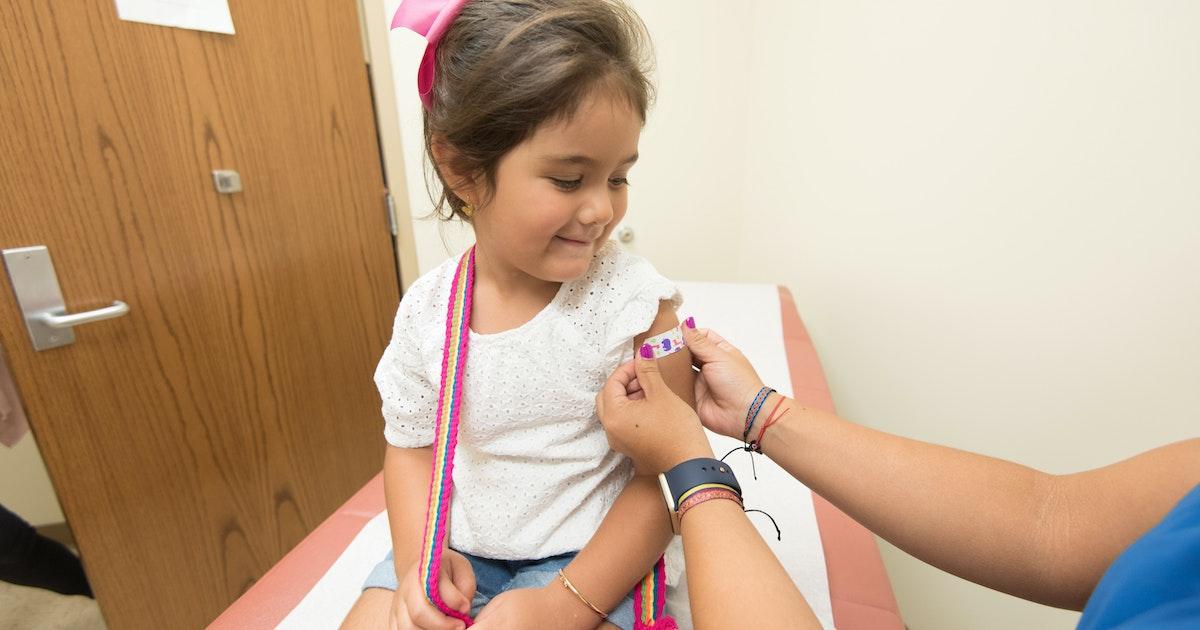
Childhood vaccines offer protection from serious and potentially fatal illnesses. Here’s a quick overview of the current recommendations by the Centers for Disease Control and Prevention (CDC) nurses must
$29.99 a year, renews yearly — cancel any time before renewal. Instant certificates.
- ✓ Board-approved provider
- ✓ Certificate the moment you finish
- ✓ Every course included
Updated 2022-11-13 · Fast CE For Less
Trusted nationwide
Accreditation you can verify

Nevada State Board of Nursing
Provider #NV000839

New York State Education Department
Approved provider
Florida Board of Nursing
Board approved
California Board of Registered Nursing
Provider #17693

CE Broker
Provider #50-30438

Ohio League for Nursing
OLN-I-3128-2025 (1 hr) · OLN-I-3189-2025 (2 hr)

Commonwealth of Pennsylvania
Provider CACE000096
Maternal passive immunity is a type of naturally acquired immunity during pregnancy that is passed through the placenta to the fetus, and through breastfeeding. Immunization is often required shortly after birth to prevent diseases in newborns. Most vaccines require more than one dose because maternal antibodies can block the induction of active vaccine responses during the first year of life, potentially reducing immunity. These vaccines may contain some components of the inactive proteins of a virus which when exposed to a child, can stimulate the immune system to react as if there is a real infection. If the child is ever exposed to the actual disease, the child’s body should recognize it, and fight the exposure.
Each year, the Centers for Disease Control and Prevention (CDC) publishes their current recommendations for childhood vaccine schedules. Following immunization schedules is important, because immunizations provide the best possible degree of protection to children from preventable illnesses
Nurses play an important role in patient education and promoting healthy lifestyles. Today’s post will provide a quick overview of the current recommendations by the CDC for childhood vaccines.
What Childhood Vaccines are Recommended by the CDC?
The CDC recommends various vaccines, with several of them requiring multiple doses at specific ages. The CDC has created a detailed immunization schedule for Birth-18 Years Immunization Schedule | CDC that highlights the specifics of the age, dose, and frequency of childhood vaccines. Current recommendations by the CDC include the following vaccines:
- Hepatitis B (Hep B) vaccine
- Rotavirus (RV) vaccine
- Diphtheria, Tetanus, and Acellular Pertussis (DTaP) vaccine
- Haemophilus Influenzae Type B (Hib) vaccine
- Influenza vaccines (annual shots)
- Inactivated Poliovirus (IPV) vaccine
- Measles, Mumps, and Rubella (MMR) vaccines
- Varicella (VAR) vaccine
- Hepatitis A (Hep A) vaccine
- Tetanus, Diphtheria, and Acellular Pertussis (TDaP) vaccine as a booster for adolescents
- Human Papillomavirus (HPV) vaccine
- Meningococcal (MenACWY) vaccine
- Meningococcal B (MenB) vaccine (recommended for specific populations and is best determined by children’s physicians)
- Pneumococcal Polysaccharide (PPSV23) vaccine
- Dengue (DEN4CYD) vaccine
Latest Changes to the 2022 Childhood Vaccine Schedule
The CDC has an Advisory Committee on Immunization Practices (ACIP), which meets three times each year to study the most recent scientific research regarding various vaccine-preventable diseases. The CDC makes changes to the childhood vaccination schedule based on ACIP recommendations. The same schedule gets approval from other organizations, such as the American Association of Family Physicians (AAFP) and the American Academy of Pediatrics (AAP).
The CDC has made some changes to the childhood vaccine schedule, including new recommendations for the measles, mumps, and rubella vaccine, varicella vaccines, and Haemophilus vaccines.
Ready to earn your contact hours?
Every course is included in All-Access for $29.99 a year.
What Role do Nurses Play in the Vaccination Process?
Patient education is every nurse’s responsibility. Nurses have the most contact with patients and their family members, and as such, nurses have a responsibility in providing education on vaccine schedules and vaccine safety.
A nurse’s role in the childhood vaccination process includes:
Communication
Nurses interact the most with patients and their family members. As the primary point of contact, nurses are also the best resource to deliver patient education regarding the CDC’s childhood vaccination recommendations to parents. By staying updated with the latest recommendations by the CDC, nurses can educate their patients and the patient’s family members on the efficacy, safety, and necessity of childhood vaccines.
Vaccine safety
Nurses may also be relied on for the safe handling, storing, and administering of vaccines to children. Pursuing the relevant training to perform these tasks efficiently is just one of the important aspects of becoming a successful pediatric nurse. Prior to administering any vaccine, a nurse must take note of the patients’ allergies, medical history, and previous vaccine administrations.
Following Up Post-Administration
After a vaccine is administered, a nurse must provide adequate monitoring for reactions. Experiencing a reaction to a vaccine is rare, but if it occurs, the nurse must be readily prepared to treat the symptoms.
Enhance Your Knowledge by Pursuing Nursing Continuing Education Courses
Pursuing nursing continuing education courses to expand your skills can help you become better equipped to deliver quality patient care and education on childhood vaccines. Online nursing CEUs like those offered at Fast CE For Less at https://fastceforless.com/ce-courses-for-nursing/ can help you expand your knowledge in your nursing field.
Finish your CE today — every course for $29.99 a year
Board-approved courses, audio for every lesson and instant certificates. Renews yearly at $29.99; cancel any time before renewal.